Ultrasound Scan in Naraina: What It Can Show and When It May Be Recommended
Pregnancy involves several stages of monitoring, and ultrasound imaging is an important part of antenatal care. An ultrasound scan uses sound waves to create images of structures inside the body without using X-ray radiation. Depending on the stage of pregnancy and the reason for examination, different scans may be recommended.
Understanding why a scan is advised, when it is performed, what it can show, and how to prepare can make the process easier. An NT scan is one specialised ultrasound examination performed during early pregnancy. If your doctor has recommended an Ultrasound Scan in Naraina or an NT Scan in Naraina, knowing the basics can help you discuss the examination and results with greater clarity.
What Is an Ultrasound Scan?
An ultrasound scan uses high-frequency sound waves to produce images of structures inside the body. During pregnancy, it can help assess the uterus, developing fetus, placenta, and surrounding structures.
Depending on the purpose of the examination, ultrasound may help assess:
Pregnancy location and development
Gestational age
Number of fetuses
Fetal growth and position
Placental location
Amniotic fluid
Certain aspects of fetal anatomy
Specific concerns identified by a doctor
Why Is Ultrasound Used During Pregnancy?
Ultrasound is used at different stages because the information required changes as pregnancy progresses. An early scan may help assess the location and development of the pregnancy and estimate gestational age. Later examinations may be used to assess fetal growth and development.
Your gynaecologist or healthcare provider can recommend the appropriate examination according to your individual pregnancy.
What Is an NT Scan?
An NT scan, or nuchal translucency scan, is an ultrasound examination performed during the first trimester. It measures the fluid-filled space at the back of the baby's neck.
The measurement is generally performed between 11 and 14 weeks of pregnancy, within the appropriate fetal size range. Timing matters because the measurement is intended for a specific stage of fetal development.
NT measurement can form part of first-trimester screening for certain chromosomal conditions. Depending on the screening approach, the ultrasound finding may be considered together with maternal blood test results and other factors.
An important point is that an NT scan is a screening test, not a diagnostic test. It estimates the chance of certain conditions but does not confirm whether a baby has a particular condition.
What Can an NT Scan Tell You?
The main purpose of an NT scan is to measure nuchal translucency and contribute to early pregnancy screening. During the examination, the imaging professional obtains an appropriate view of the fetus and records the required measurement.
An increased NT measurement can sometimes be associated with chromosomal conditions or certain structural concerns. However, an increased measurement does not automatically mean that a baby has a health problem. Some pregnancies with increased measurements progress normally.
If screening indicates an increased chance, the treating doctor may discuss further assessment. Depending on the circumstances, this may include additional ultrasound examinations, blood-based screening, genetic counselling, or diagnostic testing.
The result should be interpreted together with the complete clinical information rather than viewed as an isolated number.
When Should an NT Scan Be Done?
NT screening is generally performed during the 11-to-14-week period of pregnancy. Because the examination has a specific timing window, it is useful to discuss it with your gynaecologist early in pregnancy.
Your healthcare provider can help determine the appropriate date based on your estimated gestational age.
What Happens During an Ultrasound Scan?
During an abdominal ultrasound, you usually lie on an examination bed while a small amount of gel is applied to the skin. The sonographer or imaging professional moves a handheld device called a transducer over the area being examined.
Ultrasound is generally non-invasive. Some pressure may be felt while the transducer is moved across the abdomen, but the examination is not usually painful.
Preparation varies according to the type of ultrasound. Some examinations may require instructions about drinking water, eating, or bladder preparation. Follow the instructions provided by the diagnostic centre or healthcare professional.
What Happens After the Scan?
After the examination, images and measurements are reviewed and documented in a report. Your doctor can explain the findings and whether further assessment is required.
Pregnancy screening results should be understood in context. If an NT measurement or combined screening result suggests a higher chance of a particular condition, it does not automatically provide a diagnosis. Your healthcare provider may discuss follow-up options based on the complete results.
Ultrasound Scan in Naraina
When arranging an Ultrasound Scan in Naraina, consider whether the centre provides the specific examination recommended by your doctor and whether the scan is performed by an appropriately qualified professional.
For pregnancy imaging, timely appointments can be important, particularly for examinations such as NT screening that have a defined gestational window.
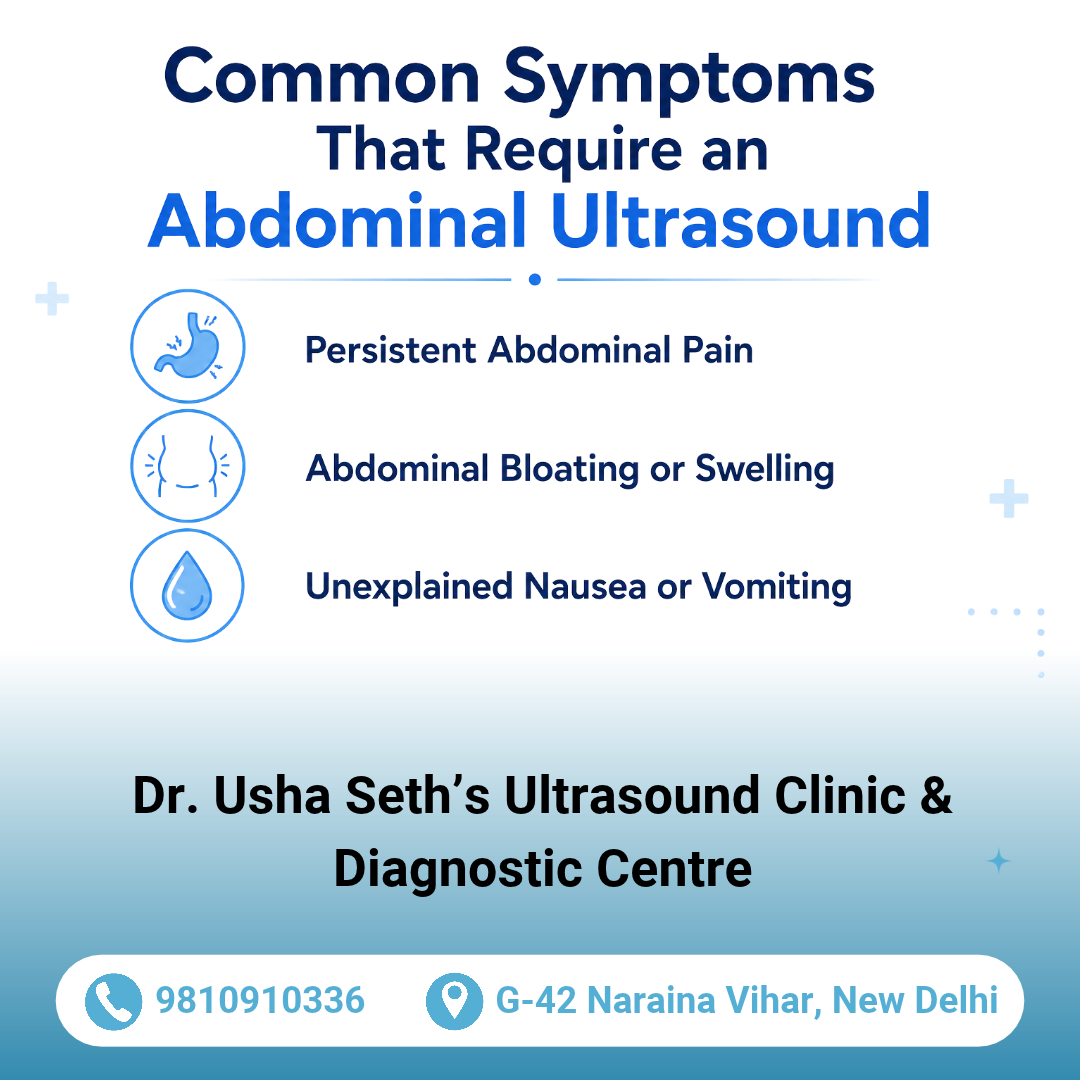
Dr. Usha Seth’s Ultrasound Clinic & Diagnostic Centre is located at G-42, Naraina Vihar, New Delhi. Patients can discuss their recommended examination, preparation requirements, and timing before undergoing the scan.
NT Scan in Naraina: Important Points
An NT Scan in Naraina may be recommended as part of first-trimester screening. Before the appointment, confirm the gestational age and ask whether any preparation is required.
Why Professional Interpretation Matters
Ultrasound images and measurements provide information, but they should be considered alongside the patient’s history and reason for examination. A qualified healthcare professional can explain findings, clarify concerns, and recommend follow-up when needed.
Frequently Asked Questions
Is an ultrasound scan safe during pregnancy?
Ultrasound does not use ionising radiation and is widely used during pregnancy when medically appropriate. It should be performed using suitable equipment and appropriate scanning practices.
Is an NT scan the same as a routine pregnancy ultrasound?
No. An NT scan has a specific purpose: measuring nuchal translucency during early pregnancy. Other pregnancy ultrasounds may have different purposes, such as assessing growth or anatomy.
Does an increased NT measurement mean the baby has a problem?
Not necessarily. An increased measurement can be associated with a higher chance of certain conditions, but it does not confirm a diagnosis. Further assessment may be advised.
How should I understand my ultrasound report?
Your doctor or qualified healthcare professional can explain the findings in relation to your pregnancy, medical history, and other test results. Avoid interpreting a single measurement without clinical context.
Understanding Your Pregnancy Scan
Ultrasound examinations can provide valuable information during pregnancy, but every scan has a particular purpose and timing. Understanding why a scan has been recommended can make the process easier and help you prepare appropriately.
Whether you have been advised to undergo an Ultrasound Scan in Naraina for pregnancy monitoring or an NT Scan in Naraina as part of first-trimester screening, discuss the examination and its findings with your healthcare provider. Dr. Usha Seth’s Ultrasound Clinic & Diagnostic Centre in Naraina Vihar provides diagnostic imaging services based on the examination recommended for individual clinical requirements.